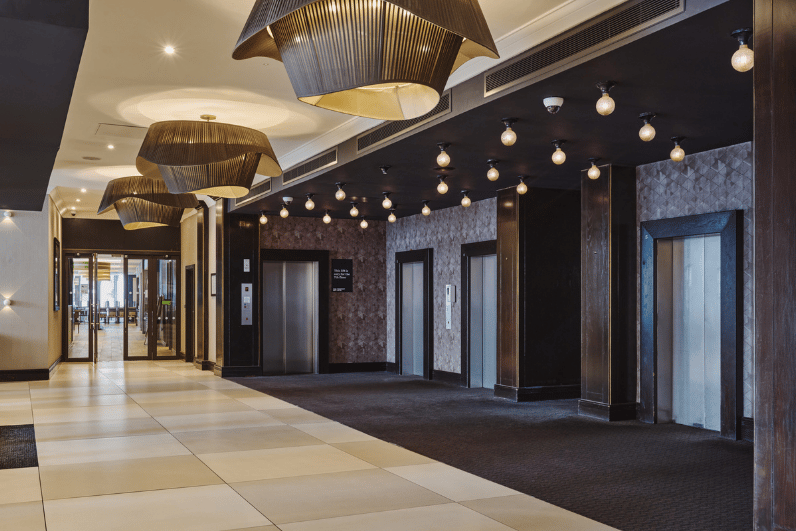
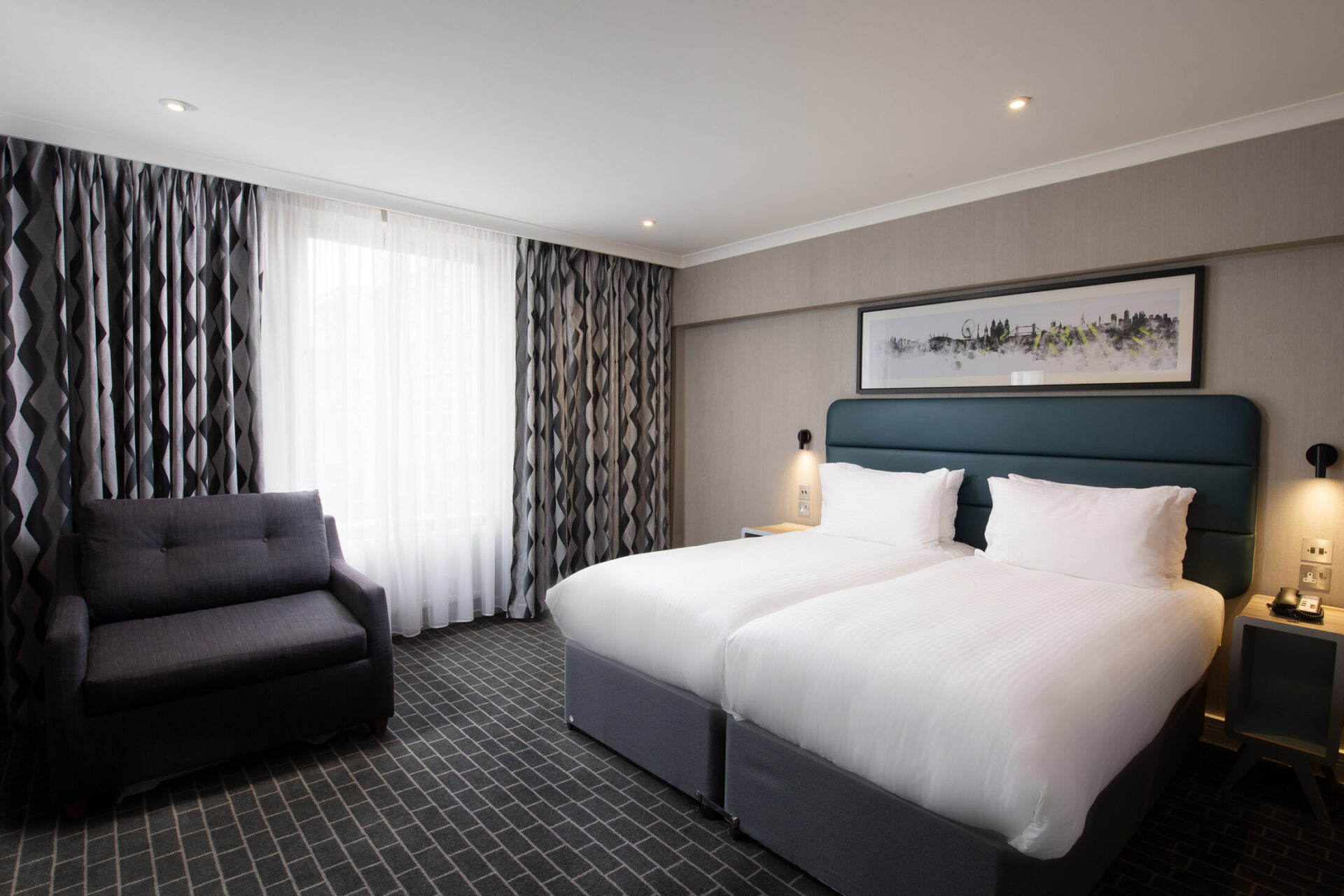
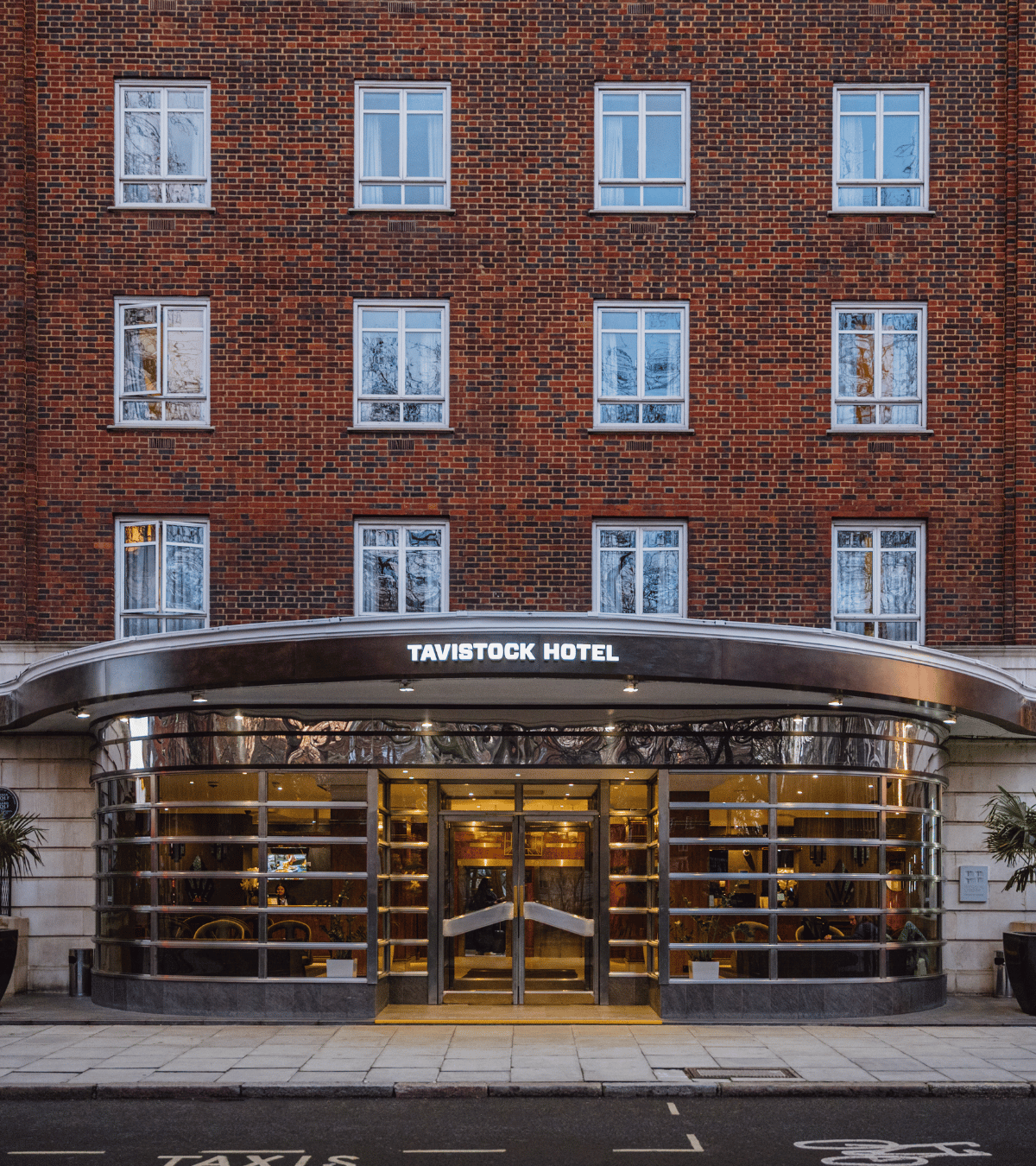
Bloomsbury is one of the city’s most charming and characterful neighbourhoods. Known for its beautiful gardens, rich literary heritage, and world-class cultural attractions, it offers visitors a unique blend of history, creativity, and modern city life. For centuries, Bloomsbury has been a centre of learning and inspiration. The area is home to some of London’s most prestigious institutions, including the University of London and the British Museum, attracting scholars and writers from around the world. Famous literary figures, including Charles Dickens and Virginia Woolf, once lived and worked in the neighbourhood, helping to shape its reputation as a hub of intellectual and artistic life. Today, Bloomsbury remains one of London’s most desirable destinations for both business and leisure travellers. Visitors can easily walk to Covent Garden, Soho, Oxford Street, and the West End, making Bloomsbury an ideal base for discovering the capital.
The Neighbourhood
Welcome to Bloomsbury
A vibrant neighbourhood of garden squares, timeless architecture and quiet cultural energy. Right in the heart of London
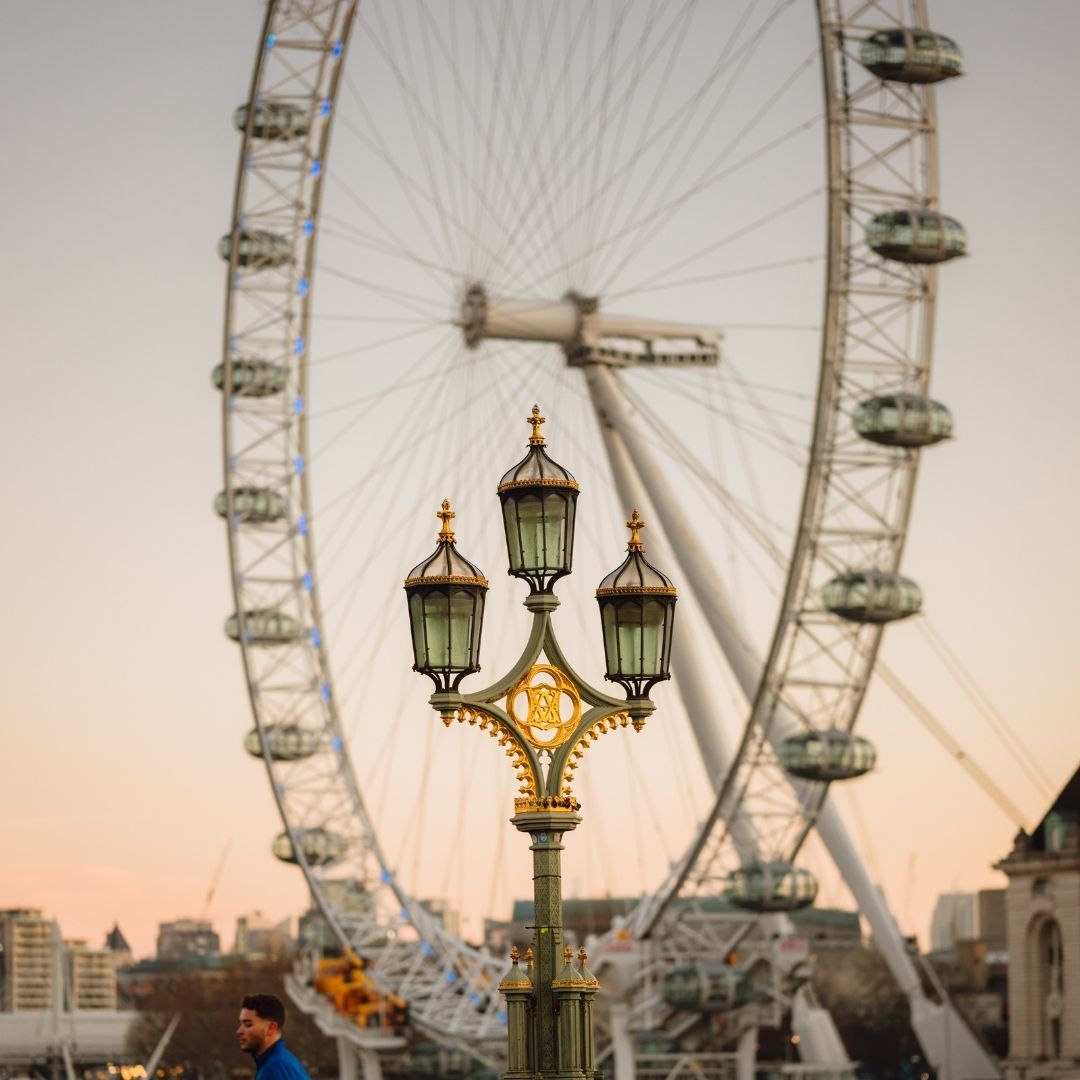
London Eye
Offering spectacular views across the capital, the London Eye provides a unique perspective on the city's most famous landmarks. On clear days, visitors can enjoy panoramic vistas stretching across London's historic and modern skyline.
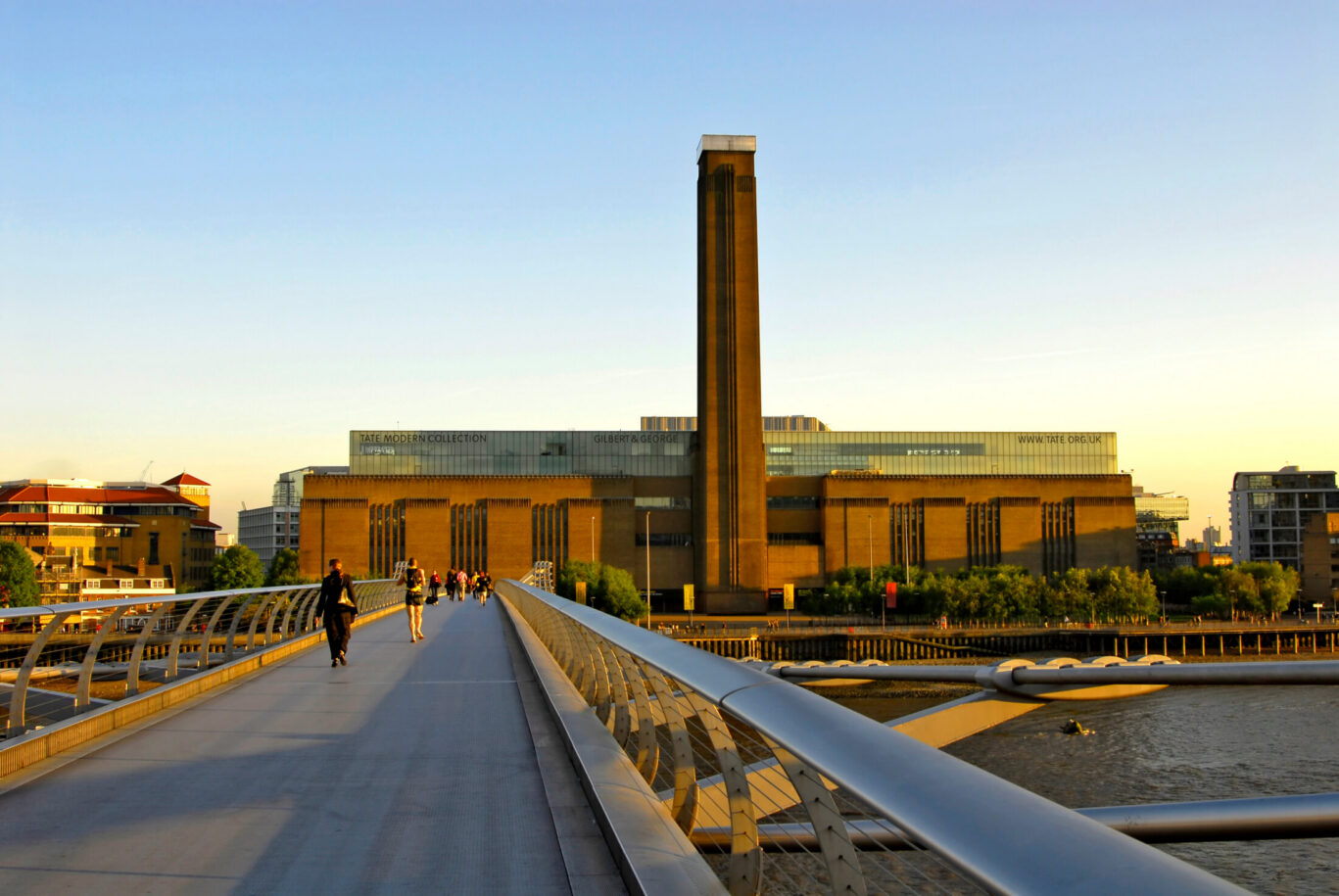
Tate Modern
Set inside a former power station on the banks of the Thames, Tate Modern is one of the world's leading contemporary art galleries. Discover inspiring exhibitions, large-scale installations and works by globally renowned artists. [tate.org.uk]
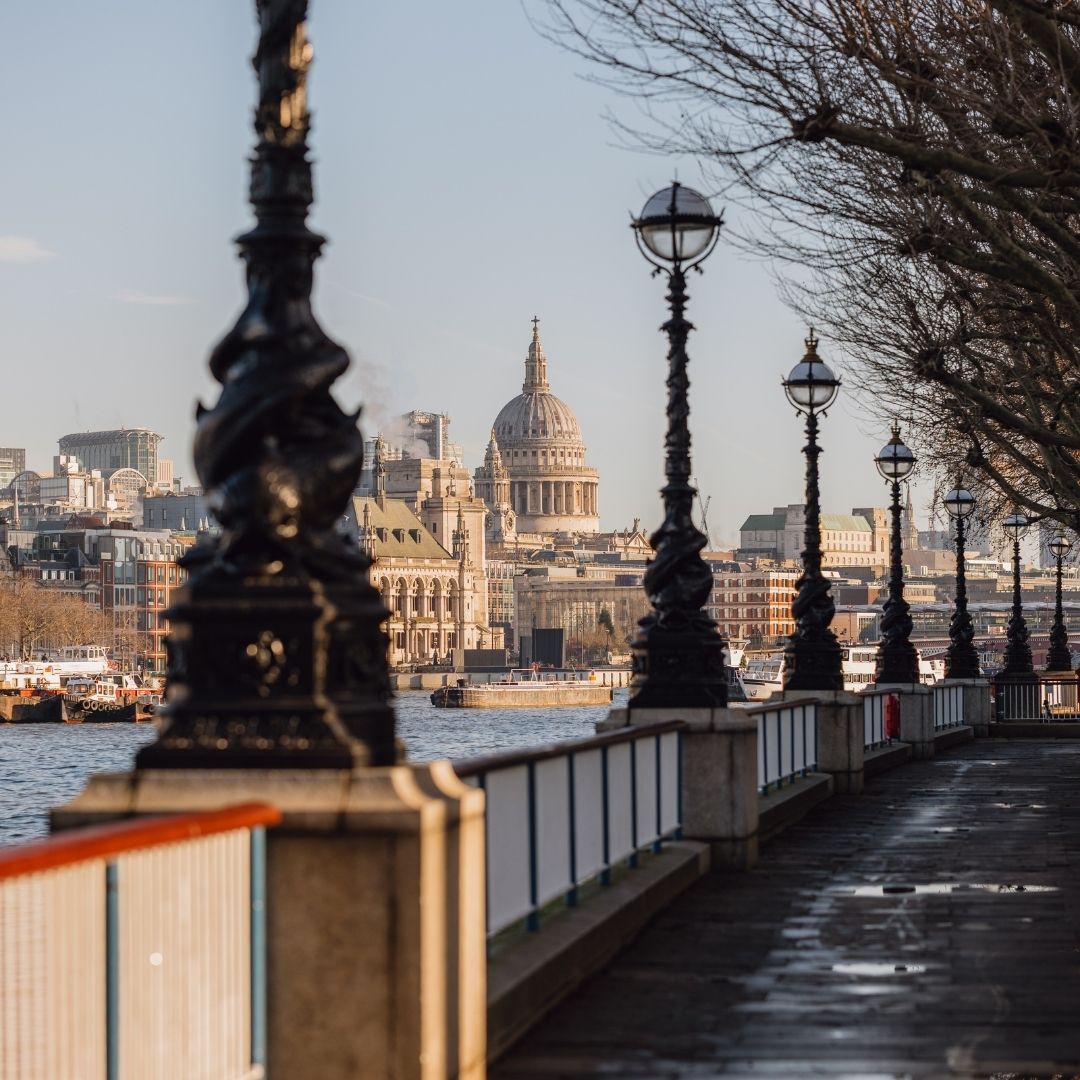
South Bank
Stretching alongside the River Thames, South Bank combines culture, entertainment and some of the city's best views. Visitors can explore lively riverside walkways, acclaimed theatres and independent food stalls alongside major attractions.
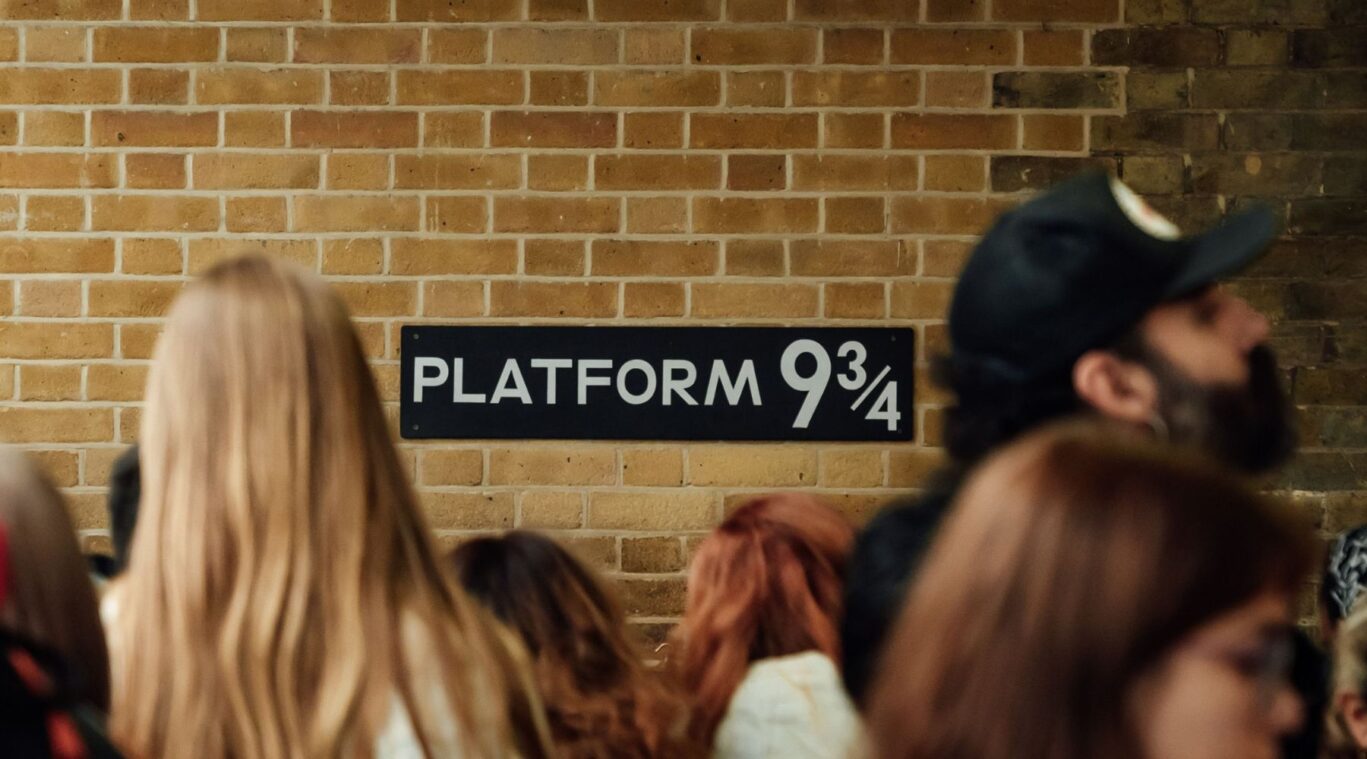
King’s Cross & St Pancras
Once known primarily as a transport hub, King's Cross has evolved into one of London's most exciting neighbourhoods. Visitors can discover waterside restaurants, independent shops and vibrant public spaces, including Coal Drops Yard and Platform 9¾.
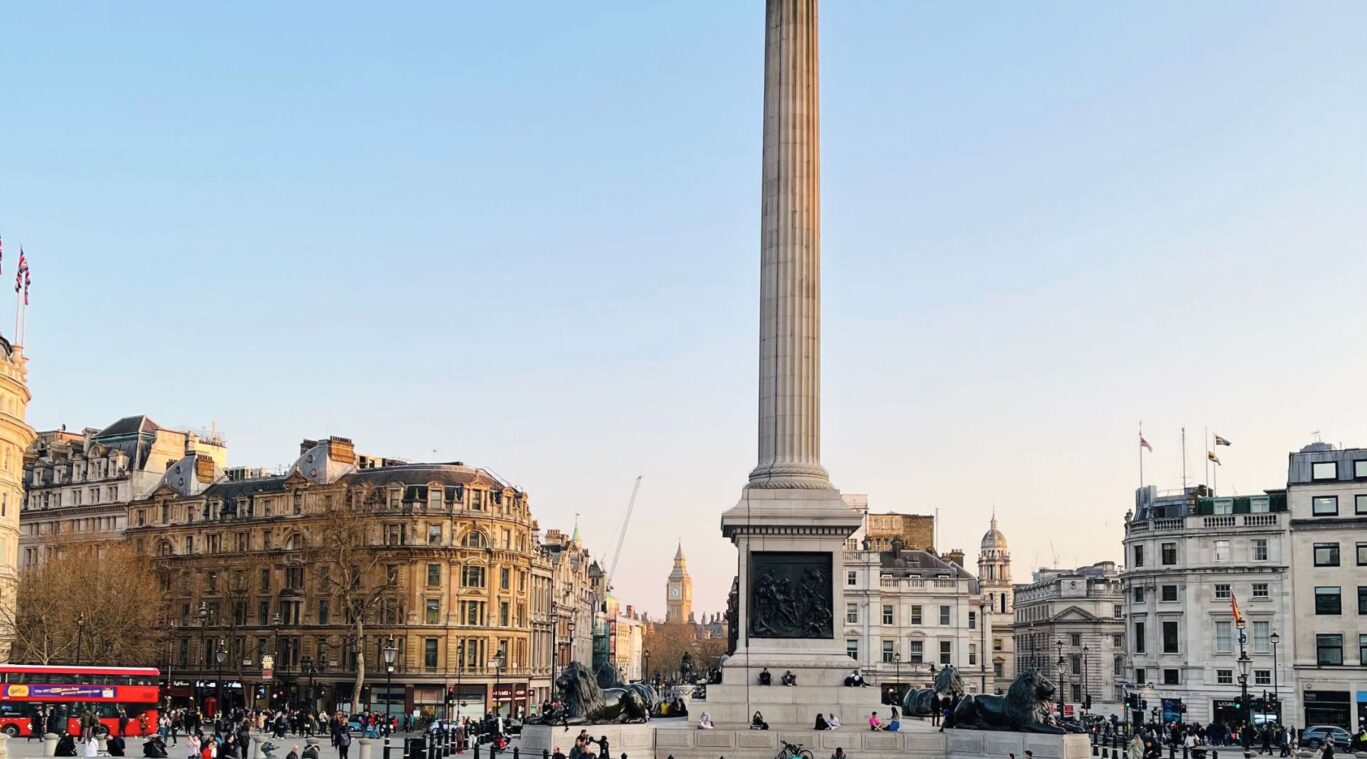
Trafalgar Square
Framed by historic buildings and world-class galleries, Trafalgar Square has long been one of London's favourite gathering places. Admire Nelson's Column, relax beside the fountains and explore cultural attractions just moments away.
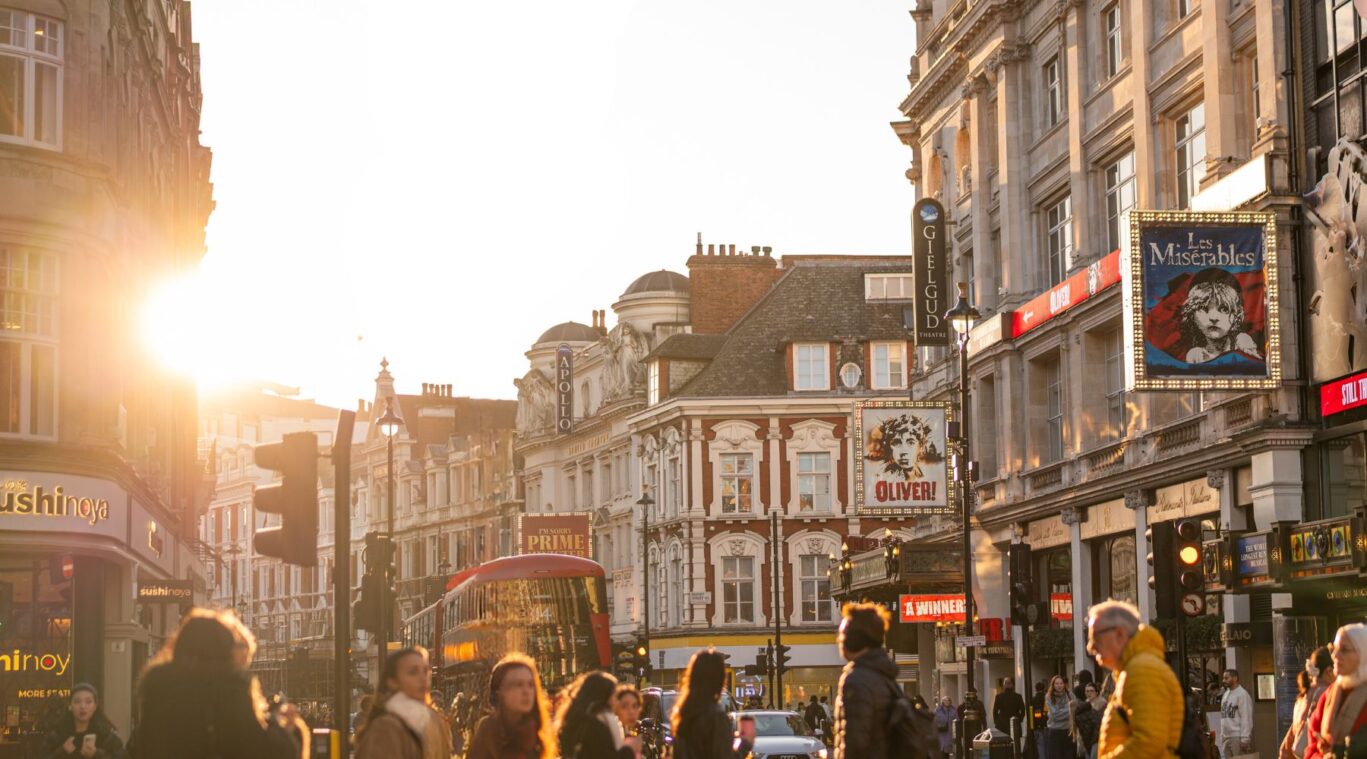
Leicester Square
At the centre of London's entertainment district, Leicester Square buzzes with theatres, cinemas and activity throughout the day. Famous for film premieres and West End excitement, it's the perfect place to soak up the city's lively atmosphere.
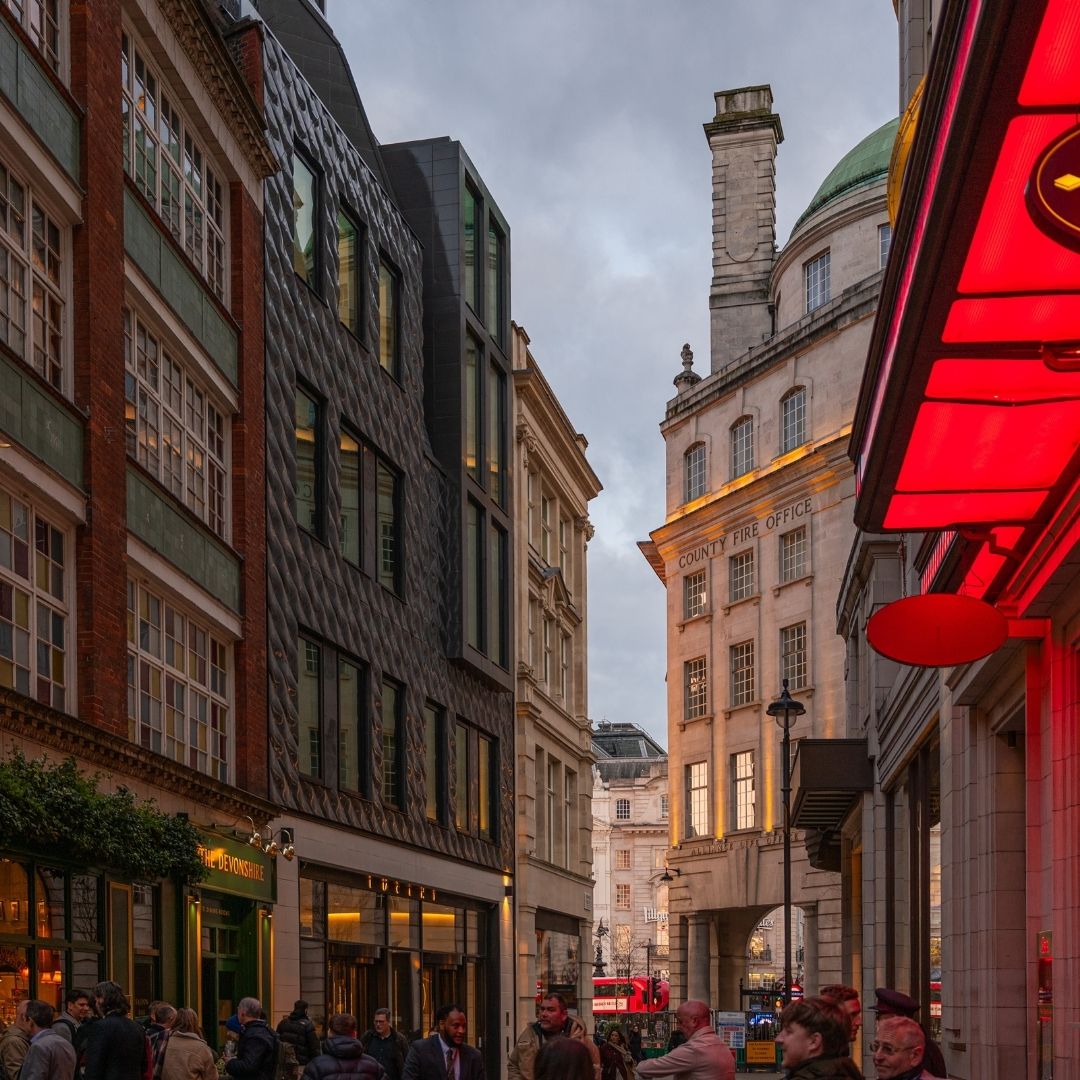
Soho
Packed with personality, Soho blends independent restaurants, historic pubs and buzzing nightlife into one vibrant neighbourhood. Explore colourful side streets, discover hidden gems and experience the creative energy that has made this area a favourite with Londoners for generations.
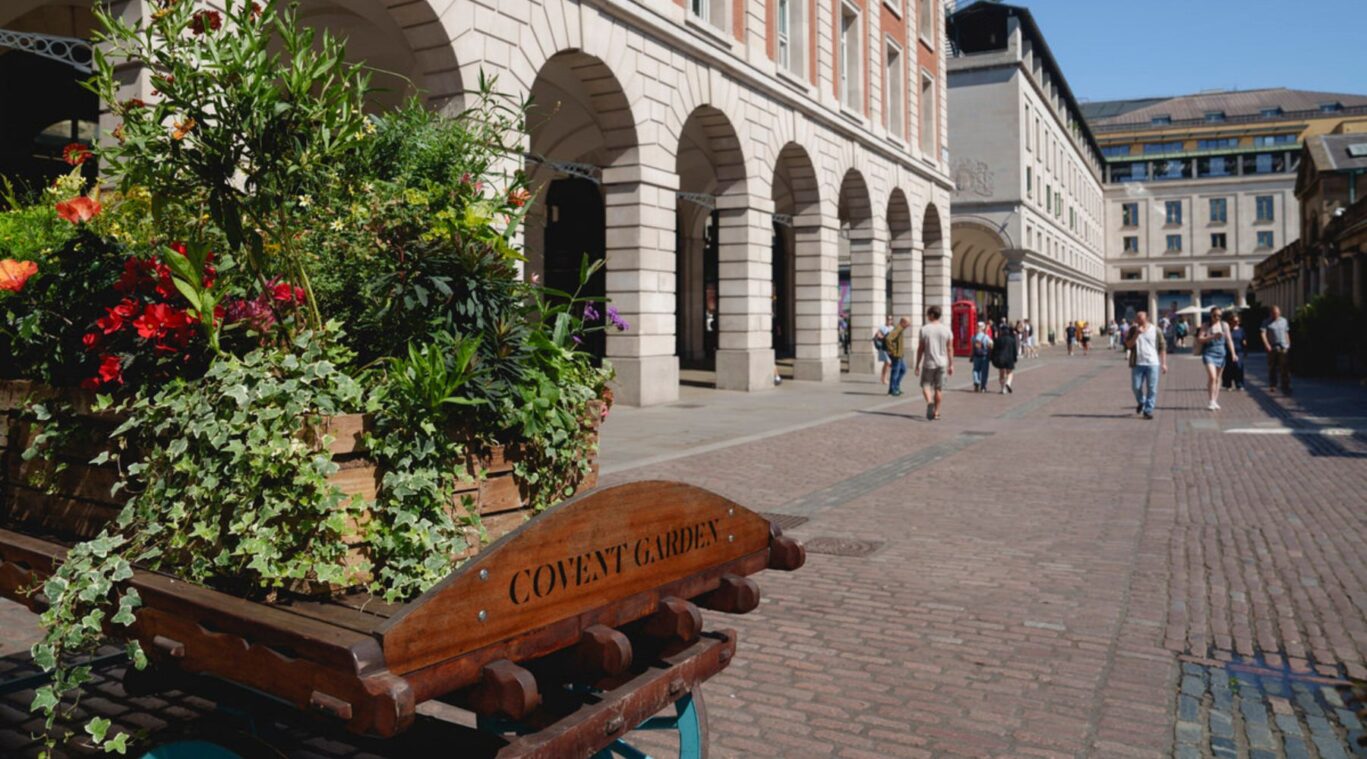
Covent Garden
Filled with boutique shops, outdoor dining and talented street performers, Covent Garden captures the energy of central London. Spend time exploring historic market halls, hidden courtyards and lively public spaces surrounded by some of the capital's best-known restaurants and cafés.
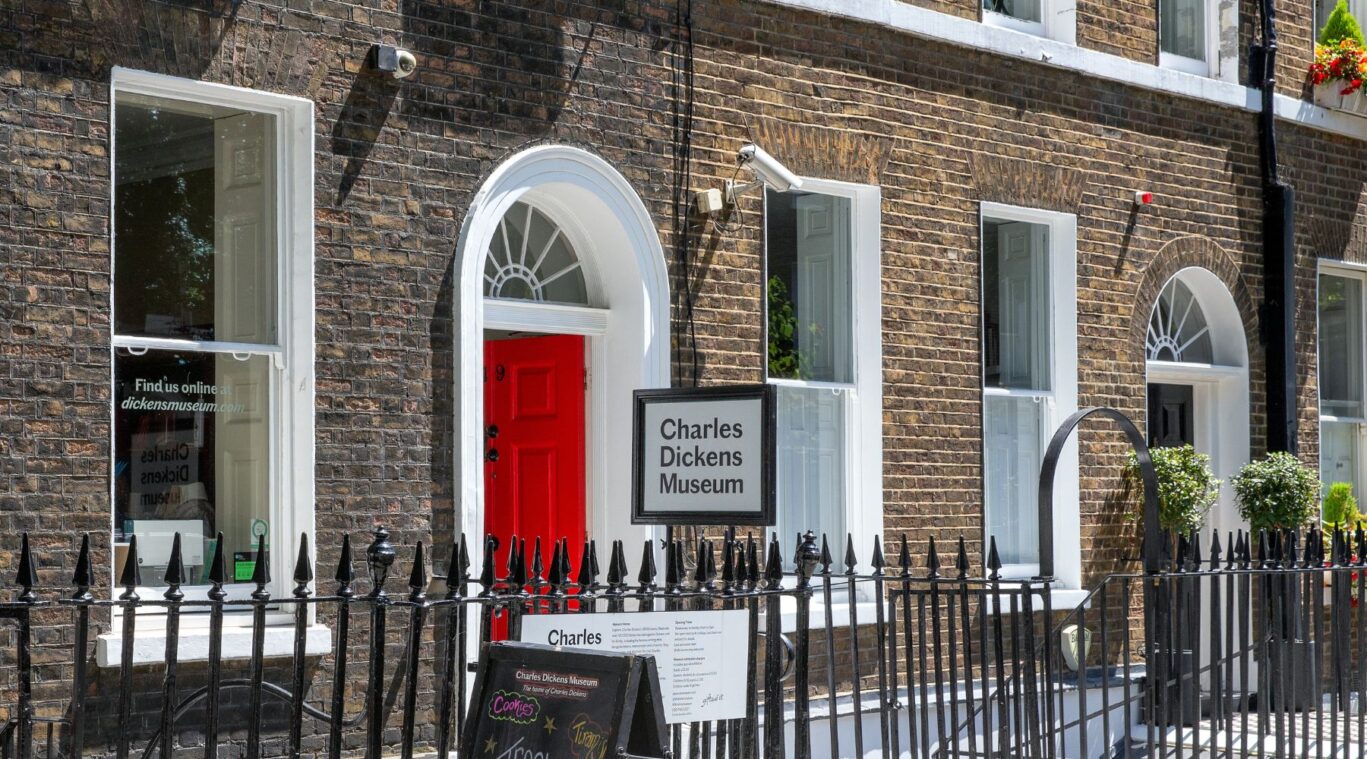
Charles Dickens Museum
Set within the only surviving London home of Charles Dickens, this intimate museum offers a fascinating glimpse into the author's life. Explore beautifully preserved interiors, personal possessions and literary treasures that inspired some of Britain's most celebrated novels.
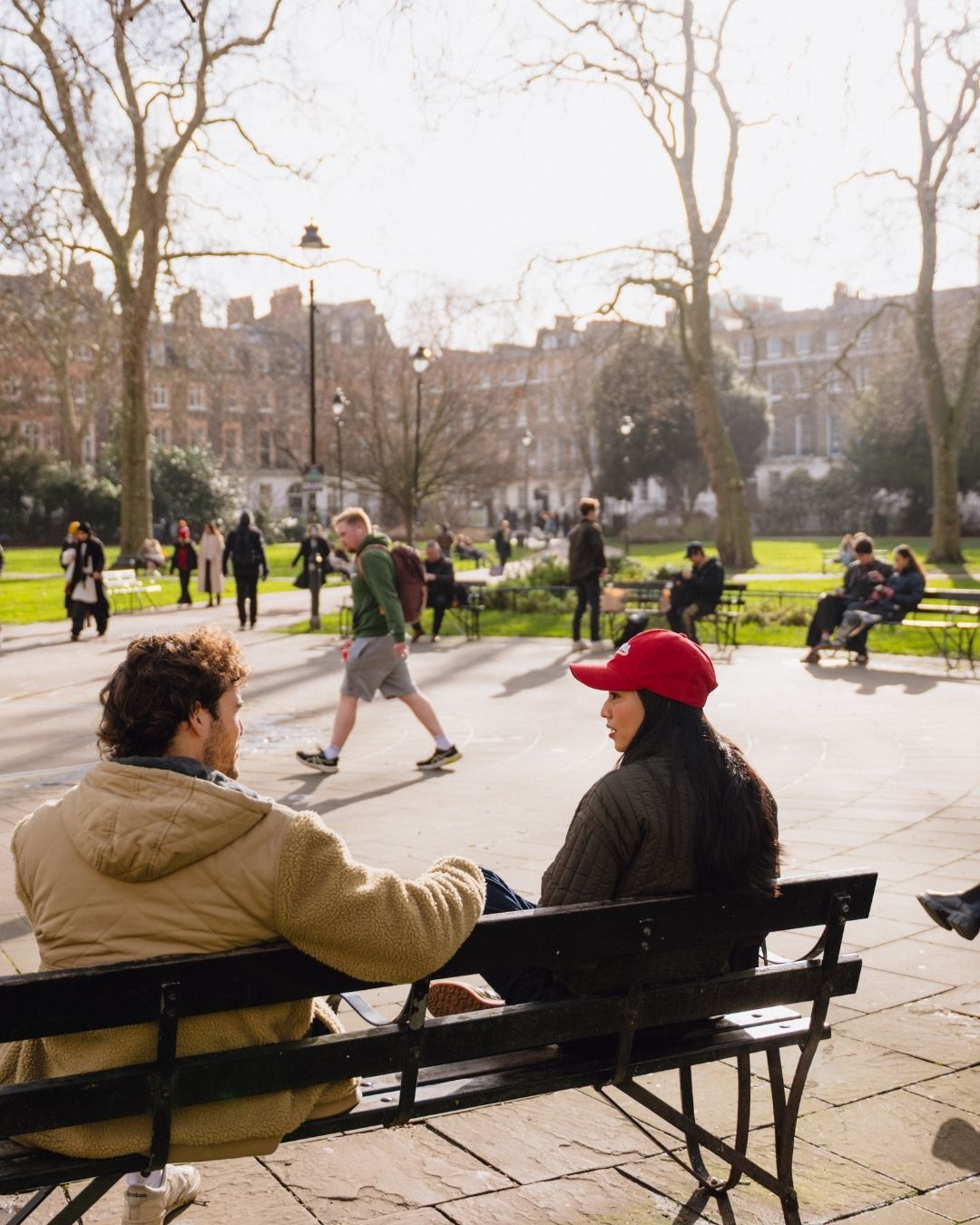
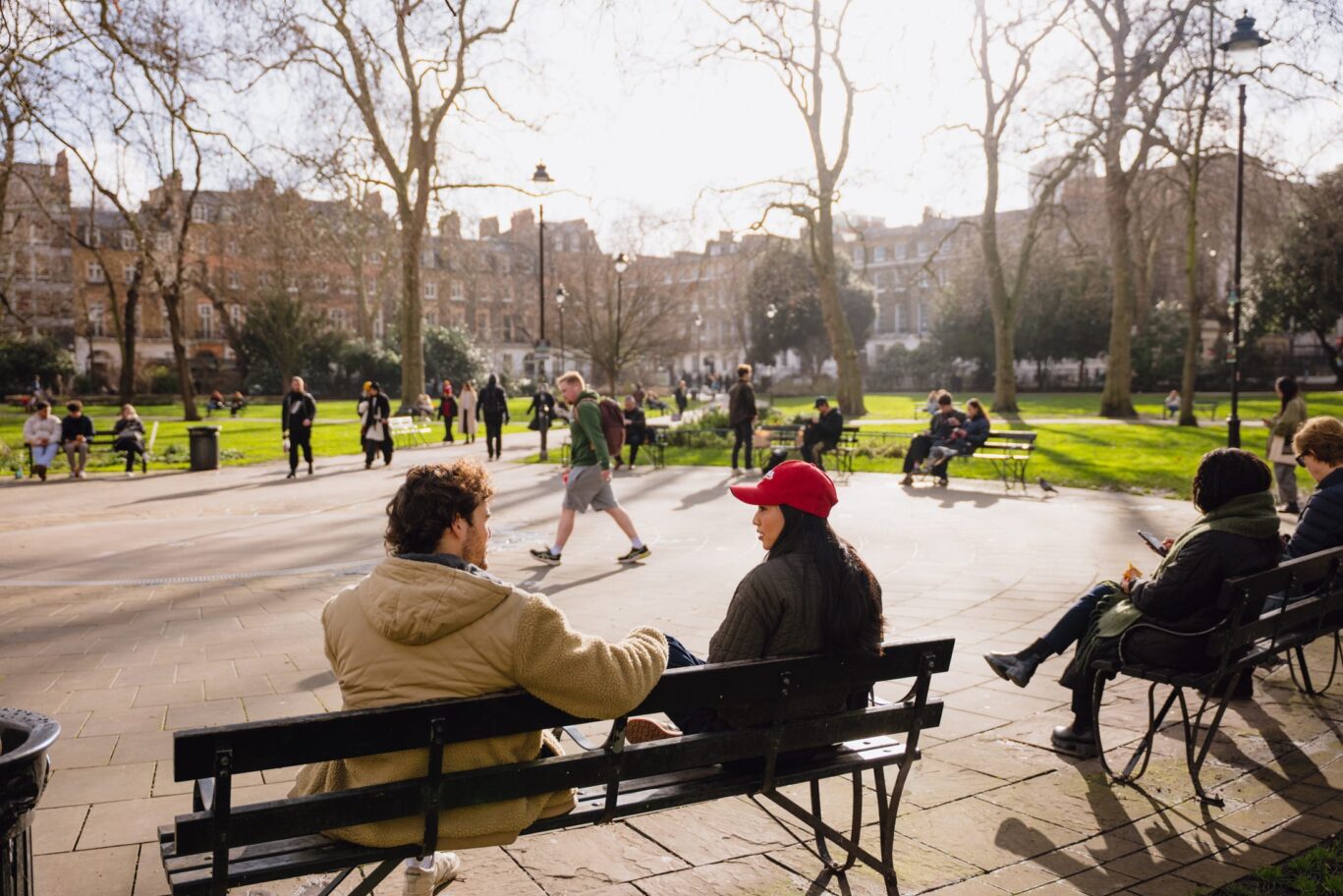
Russell Square Gardens
Located in the heart of Bloomsbury, Russell Square Gardens is one of London's well-known garden squares. You can enjoy tree-lined pathways, seasonal planting and open green space, all just moments from the British Museum and many of Bloomsbury's historic streets.
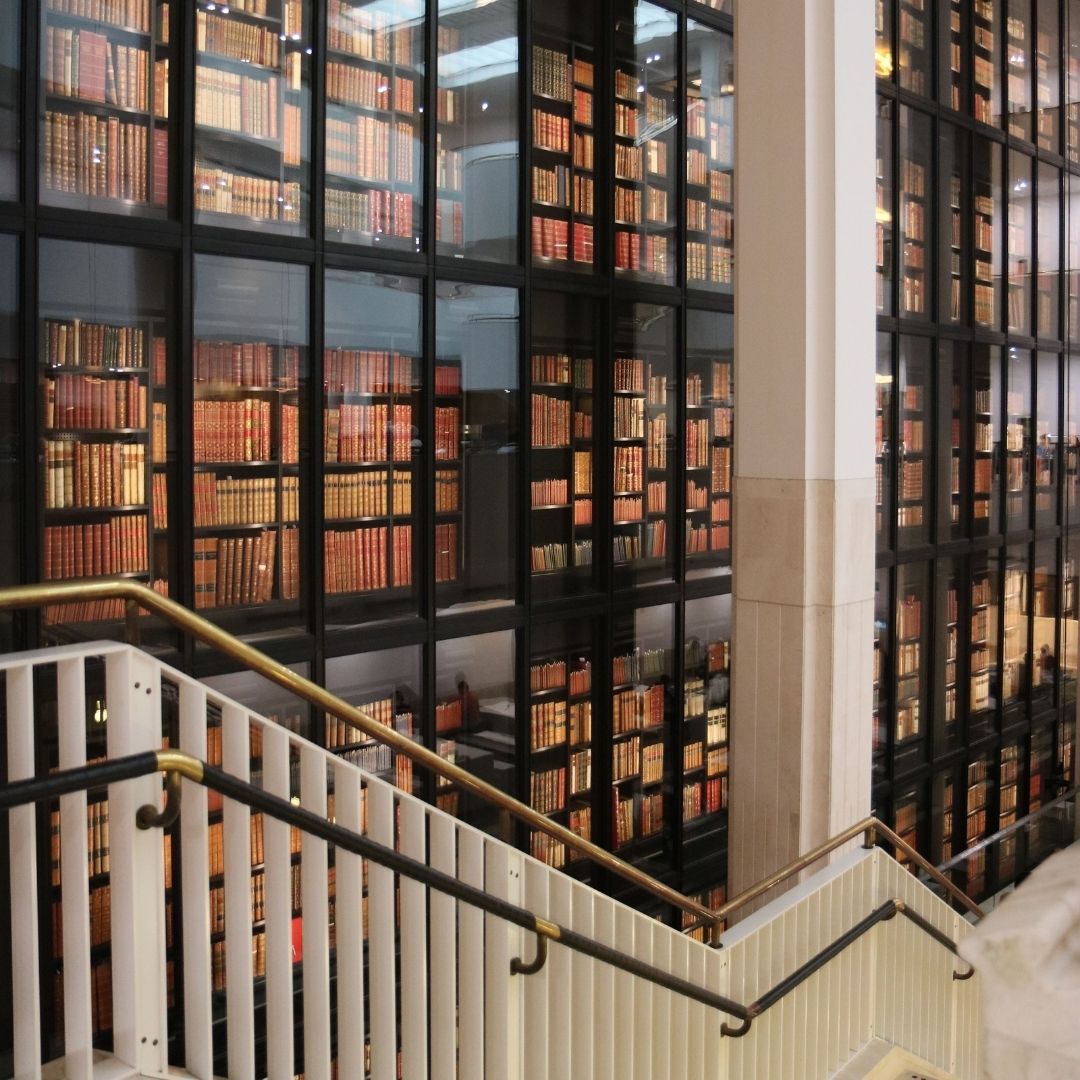
British Library
Home to more than 170 million items, the British Library is far more than a reading room. Visitors can explore fascinating exhibitions featuring handwritten manuscripts, rare books and literary treasures, including works by Shakespeare, Jane Austen and The Beatles.
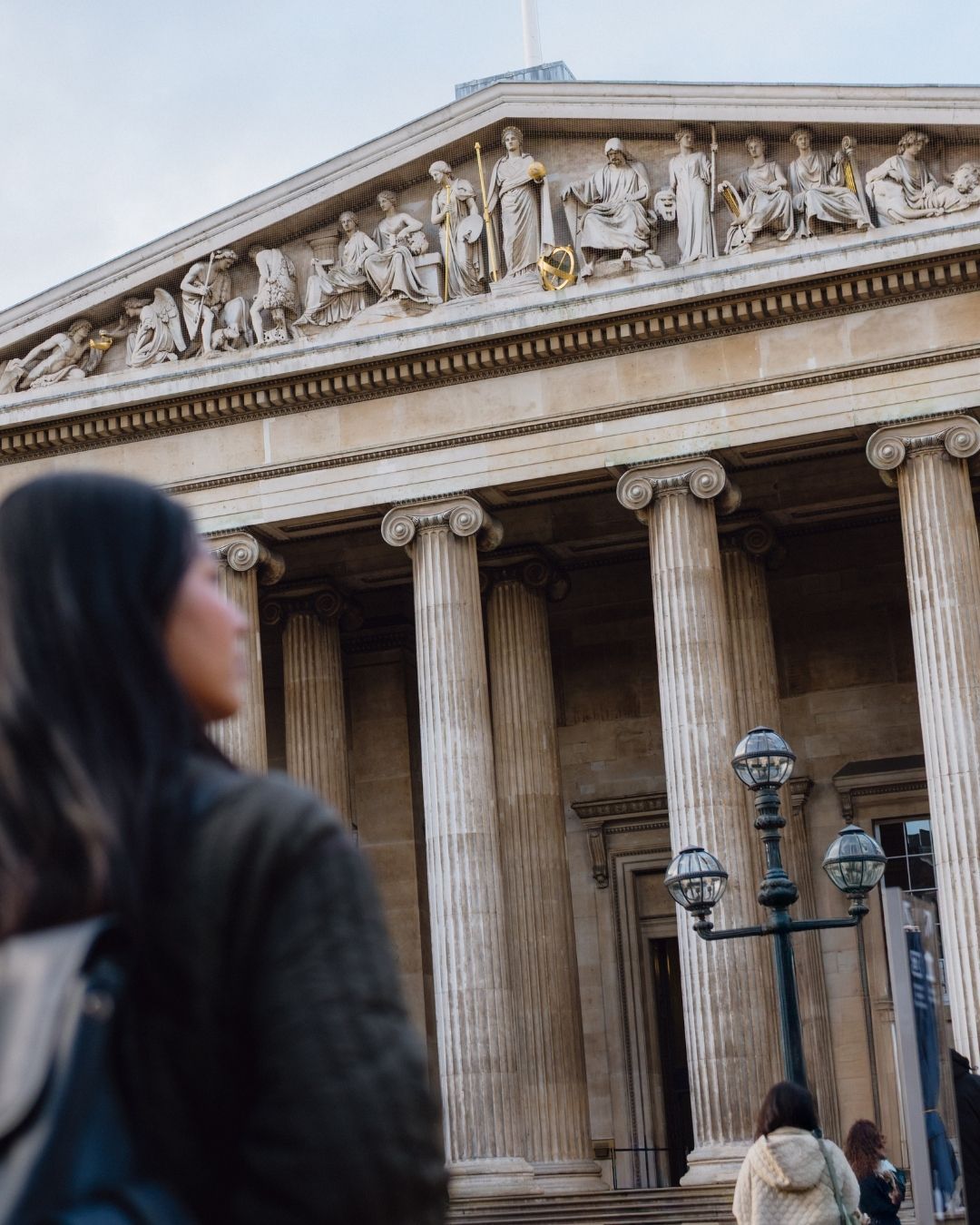
The British Museum
Our much loved and iconic neighbour, the British Museum is London’s oldest and most popular Museum containing more than 13 million artefacts from the ancient world. Explore collections of art, literature and unusual artefacts uncovering the story of human history.
Museum & Galleries
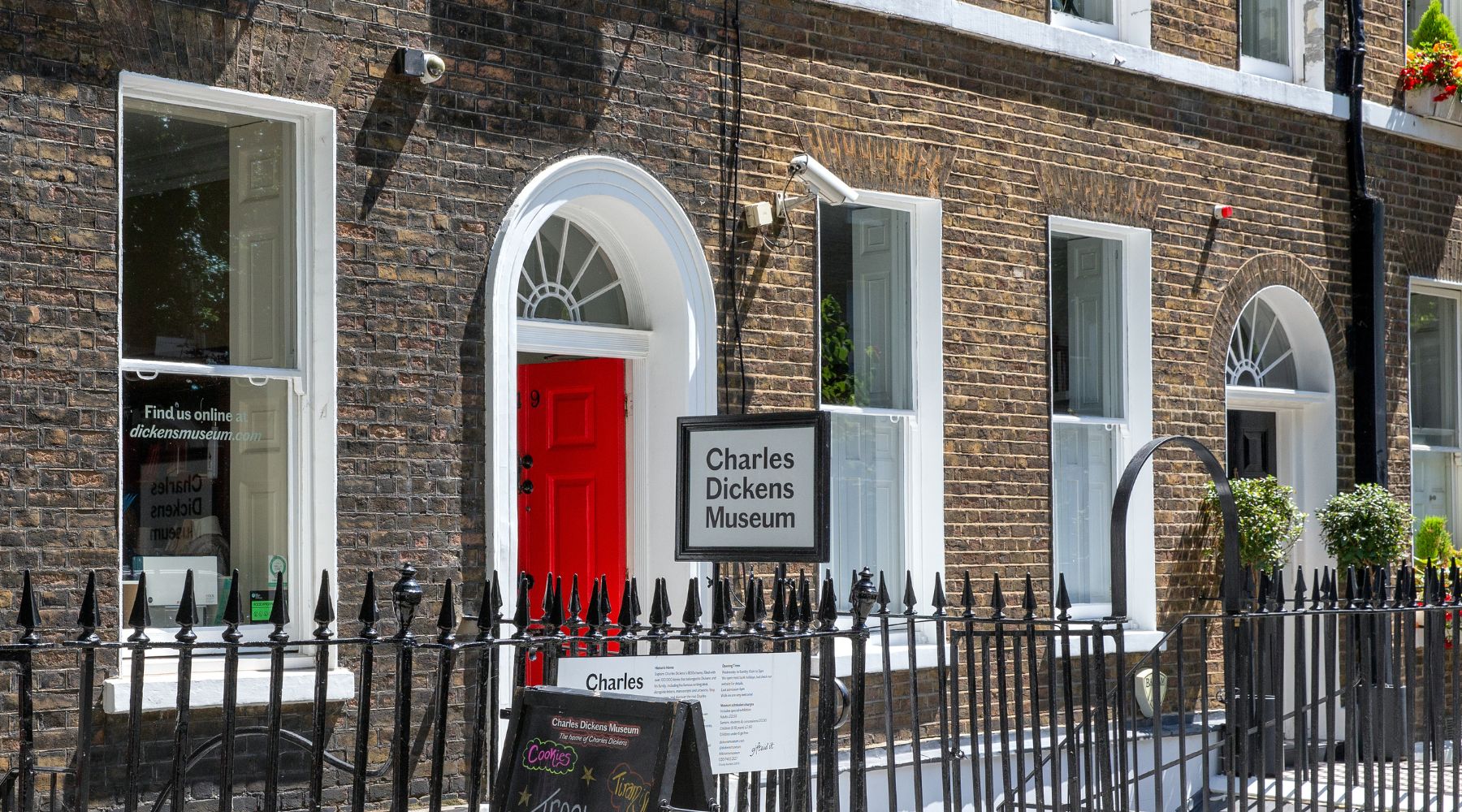
Charles Dickens Museum
Charles Dickens Museum, Doughty Street, London, UK
Walk From Bloomsbury 10 mins
Nearest Station Russell Square
Monday- Sunday 10:00–17:00
Set within the only surviving London home of Charles Dickens, this intimate museum offers a fascinating glimpse into the author’s life. Explore beautifully preserved interiors, personal possessions and literary treasures that inspired some of Britain’s most celebrated novels.
Parks & Green Spaces
Russell Square Gardens
Russell Square, Russell Square, London, UK
Walk From Bloomsbury 2 mins
Nearest Station Russell Square
Monday – Sunday Open 24 hours
Located in the heart of Bloomsbury, Russell Square Gardens is one of London’s well-known garden squares. You can enjoy tree-lined pathways, seasonal planting and open green space, all just moments from the British Museum and many of Bloomsbury’s historic streets.
Museum & Galleries
The British Museum
The British Museum, Great Russell Street, London, UK
2-5 Minutes Walking Distance
Russell Square Station Nearest Tube Station
10:00-17:00 Monday-Sunday (Friday until 20:30)
Our much loved and iconic neighbour, the British Museum is London’s oldest and most popular Museum containing more than 13 million artefacts from the ancient world. Explore collections of art, literature and unusual artefacts uncovering the story of human history.
Thu 15 Jan – Wed 11 Nov
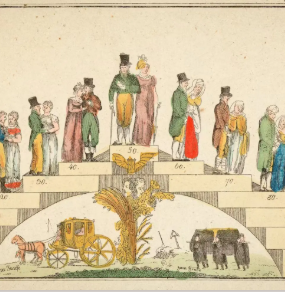
The Coming Of Age
The Coming of Age’ explores experiences and perceptions of ageing, from adolescence to later life, and asks how societies can adapt for us all to age better.

Fri 10 Jul 2026 – Sun 07 Feb 2027
Rudy Loewe: Intimacies of Care
At Wellcome Collection, Rudy Loewe: ‘Intimacies of Care – Spaces of Grief and Possibility’ reimagines a mental healthcare system that is equitable and supportive. The works ask us to consider more hopeful, empathetic, alternative approaches to care.
Fri 10 Jul 2026 – Sun 07 Feb 2027
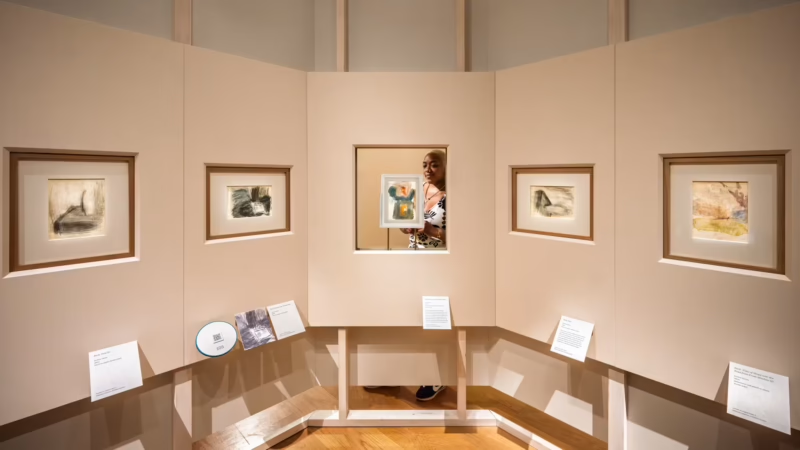
Audrey Amiss: The Surviving Exhibitions
‘Audrey Amiss: The Surviving Exhibitions’ is the first museum exhibition dedicated to artist Audrey Amiss (1933–2013). Bringing together drawings, paintings and other exhibition materials, it explores Amiss’s life as both an artist and campaigner, revealing how she used her work to speak out against harmful treatment within the mental health system. Born in Sunderland, Amiss won a scholarship to the Royal Academy of Arts in the 1950s, where she studied painting until a mental health crisis and subsequent psychiatric treatment prevented her from completing her final year.She continued to make, exhibit and sell art throughout her life – alongside a long career in the Civil Service – but the full breadth of her work only came into view after her death. Her extensive archive was donated to Wellcome Collection in 2014.
‘The Surviving Exhibitions’ focuses on works that records suggest Amiss exhibited or intended to make public.
Tue 01 Sep 2026 – Sat 31 Jul 2027
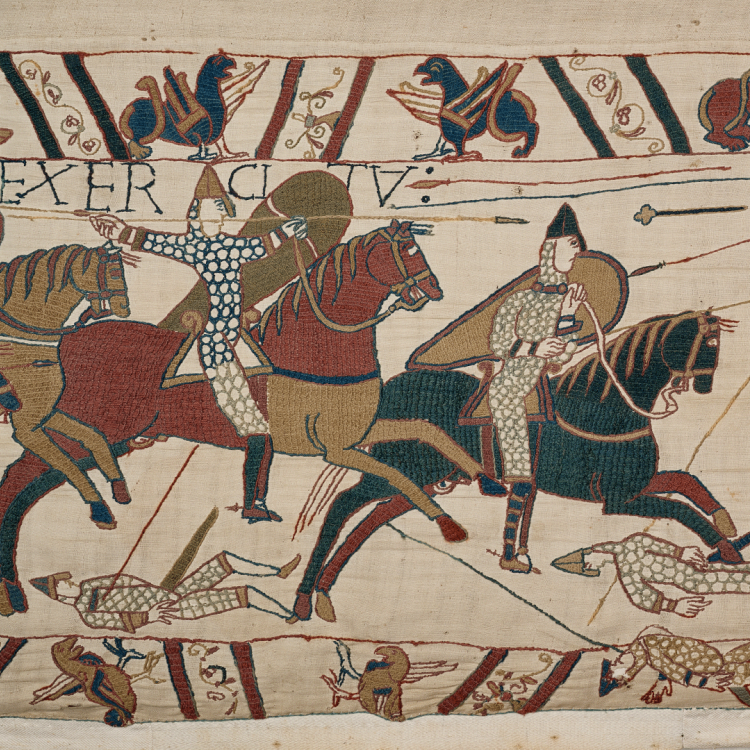
The Bayeux Tapestry
For the first time since it was made nearly 1,000 years ago, the Bayeux Tapestry is returning to England.Following a historic agreement with France, the 70-metre-long tapestry, depicting events leading up to the Battle of Hastings and the Norman Conquest of England in 1066, will be loaned to the British Museum from September 2026 to July 2027.This monumental embroidery tells the dramatic story of a moment that changed England forever. No year in the country’s history is more famous than 1066. It was the last time England was successfully invaded, and it is the year from which the modern monarchy dates itself. And there is no other object that is as instantly recognisable, as studied in schools and as copied by artists as the Bayeux Tapestry.
One of the wonders of the medieval world, the Tapestry offers a vision of life in 11th-century England both before and after the Conquest, from castles, warfare and ships to clothing, food and furniture. Likely commissioned by a Norman patron and made by English embroiderers, using manuscript drawings from Canterbury, the Tapestry is both a precious historical record and a remarkable work of art.
Thu 01 Oct – Sat 31 Oct
Bloomsbury Festival 2026
In 2026, Bloomsbury Festival celebrates our 20th Anniversary. A month-long Festival will take place from 1 – 31 October – look out for more details in Spring 2026!
Local, Global, Inspiring
Bloomsbury Festival is an annual celebration of the area’s creativity, presenting an inspiring programme of culture, arts, science, literature, performance, discussion and debate. The programme includes an exciting mix of contemporary arts, music, performance, theatre, science displays, talks, walks and community events.
“Bloomsbury Festival captures the diversity of bright minds connected to these few streets of London, from the past to the present day” – The Guardian
Where is it in Bloomsbury?
Various Venues throughout Bloomsbury
Tue 03 Nov
The Ritual | Run Club & Sauna
Join us for The Ritual – a coached run in Russell Square followed by a sauna and smoothie in The Imperial.
OneTrack Club co-founder and coach Anthony Fletcher leads a coached session in and around Russell Square. Fletch will guide you through different paces and efforts, helping you understand why variety matters and how different types of running fit into a well-balanced training week.
Suitable for all abilities, with everyone working to their own pace. After the run, Fletch will be back at the hotel to answer any questions about your own training whilst you take advantage of the sauna on The Imperial’s Wellness Terrace. Coffee, smoothies, and a light breakfast are available, too – setting you up perfectly for the day.